
Walk into almost any restaurant across America these days, and you'll notice the signs, both literally and figuratively: “Now Hiring.” “Help Wanted.” “We're short-staffed. Thanks for your patience.”
It's not just your imagination. Restaurants across the country are experiencing one of the most severe labor
shortages in modern history. In 2024, many operators still lack sufficient staff, with 45% to
60% reporting they don't have enough workers to meet customer demand according to the National Restaurant
Association and Deliverect. Even international chains with deep pockets like fast food giants, casual dining brands,
and well-known franchises are all scrambling to recruit, train, and retain workers.
The question is: why has hiring become so difficult? And more importantly: what's the next 2 to 3 years going
to look like?
The answer, as it turns out, may not be more job ads or bigger paychecks. Increasingly, the future of
restaurants looks like a partnership between humans and robots.
The Labor Shortage Isn't Going Away Soon
Let's start with the obvious: restaurants have always been tough places to work. The hours are long, the physical
demands are relentless, customers aren't always pleasant, and the pay—while increasing—is still not enough to
offset the stress for many workers.
Even before the pandemic, turnover in the industry was notoriously high. According to the Bureau of Labor
Statistics in 2023, the average annual turnover rate in hospitality hovers around 70-80%. That means most
restaurants are constantly cycling through new hires, retraining, and plugging holes in their teams.
The COVID-19 pandemic only accelerated the shift. When restaurants shut down in 2020, millions of workers
left the industry. But unlike in previous downturns, many didn't come back. Instead, they found jobs in
logistics, e-commerce, healthcare, or remote roles. These are industries that seemingly or actually
offered better stability, higher pay, or improved work-life balance.
Here's the kicker: customer demand hasn't slowed down. In fact, after the worst of the
pandemic passed, dining came roaring back. Americans wanted to eat out, celebrate, reconnect with friends and loved ones,
and enjoy the experience of physical hospitality.
Restaurants, however, just don't have enough people to keep up.
Why Higher Wages Aren't Enough
It's tempting to assume the solution is simple: just pay workers more.
To be clear, wages have gone up. The average hourly earnings for restaurant workers have risen significantly
since 2019, with many states pushing for $15/hour or more versus the previous rate of
around $11/hour.
But here's what restaurants are learning the hard way: money isn't the only factor. For many workers, the grind
simply isn't worth it anymore. Burnout, late nights, unpredictable schedules, and demanding customer
interactions all take a toll. A typical server walks 5 to 10 miles in a single shift, carrying trays and
juggling multiple tables. Add inflation, housing costs, and family responsibilities, and people are rethinking
whether serving tables or flipping burgers is viable at all.
This is why, even with signing bonuses, higher wages, and aggressive recruiting campaigns, many restaurants
are still short-staffed. It's not just about competing with other restaurants for talent. It's
about competing with other industries.
Enter the Robots
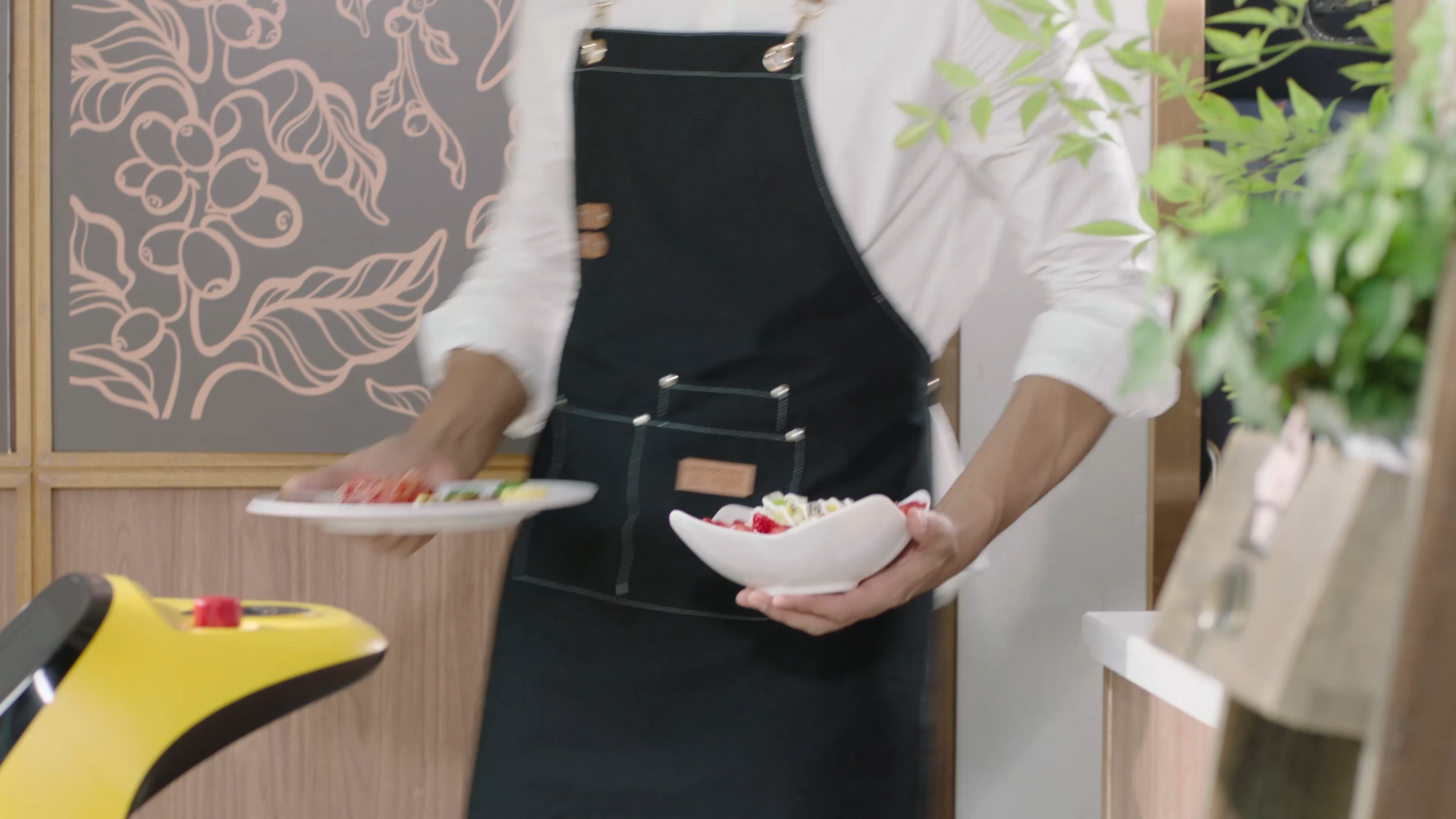
Here's where automation comes in. From food runners that deliver plates directly to tables, to cleaning robots
that handle repetitive bussing and sanitation tasks, automation is helping restaurants bridge the labor gap.
These machines don't call in sick. They don't quit mid-shift. They can handle repetitive jobs so human staff
can focus on guests.
- Chili's Grill & Bar piloted “Rita the Robot” to run food and bus tables. The results? Faster table turnover, reduced server fatigue, and happier customers.
- Denny's tested server robots to handle high-traffic breakfast hours, finding servers were able to spend more time upselling and interacting with guests.
- CaliBurger famously deployed “Flippy,” a robotic fry cook that handles the hot, dangerous, repetitive work of flipping burgers and frying food.
Robots aren't futuristic gimmicks anymore. They're increasingly becoming an operational necessity.
Not About Replacing Humans
The fear of robots “taking jobs” is common, but the reality in restaurants is very different. Automation works
best as a partner, not a replacement.
By handing off repetitive or physically demanding work—like carrying trays, bussing, or sweeping—
robots allow servers, bartenders, and managers to focus on what people do best: building connections, upselling,
and creating memorable experiences.
In fact, operators who've adopted robots often report higher staff retention. Employees are less burned out,
less physically exhausted, and more likely to stick around when robots share the load.
This is the great irony: by introducing robots, you make restaurants more human-friendly.
The ROI of Restaurant Robotics
The first thing most restaurant owners ask is: “How much does this cost?”
It's a fair question. Robots can be a significant upfront investment, often ranging from $10,000 to $20,000
depending on features. But here's where the math gets interesting.
- Labor savings: A robot doesn't require hourly wages, overtime, or benefits. Even factoring in maintenance, the cost is far lower over time.
- Consistency: Robots don't call in sick, show up late, or quit without notice. That stability alone reduces the hidden costs of turnover and retraining.
- Longevity: With proper care, a robot can last years. Also, unlike human employees, robots can quickly improve over time with software and firmware updates.
When you add it up, a robot often pays for itself in less than a year. After that, it's pure operational
savings. In fact, a 2023 Hospitality Technology survey found that 64% of restaurant operators
say automation has helped reduce costs and improve operational efficiency.
And financing options are expanding too. Some robotics providers now offer leasing models, meaning restaurants
can adopt robots with minimal upfront expense and treat them as predictable monthly operating costs.
Keeping Operations Running Smoothly
Of course, investing in robots isn't just about the machines themselves. It's about the support system. The best robotics providers include:
- Warranties for peace of mind.
- 24/7 hotline support to resolve technical issues quickly.
- On-site tech support so downtime never disrupts your operations.
For a restaurant, uninterrupted service is everything. Choosing a vendor that provides both the robots and the safety net ensures automation pays off.
Robots Beyond Restaurants
While restaurants are the current hotbed, the adoption story doesn't stop there. The same robots are already proving useful in:
- Senior living and care facilities: Robots deliver meals, reduce fall risks for staff, and give caregivers more time for residents.
- Hotels and resorts: Robots deliver luggage, room service, and act as mobile concierges.
- Logistics and moving services: Robots help with transportation and repetitive handling.
In all these cases, the theme is the same: automation isn't about removing people. It's about giving people room to focus on what they're best at.
The Bottom Line
The restaurant staffing shortage isn't going away anytime soon. Wages are climbing, turnover remains high,
and operators are under pressure to do more with less.
Robots aren't here to eliminate jobs—they're here to keep doors open, tables turning, and customers happy.
Forward-thinking owners are already reaping the benefits of automation: higher ROI, happier staff, smoother
operations, and customers who notice the difference.
If you're ready to explore how service robots can help your business, visit USABots.com and book a
consultation today.